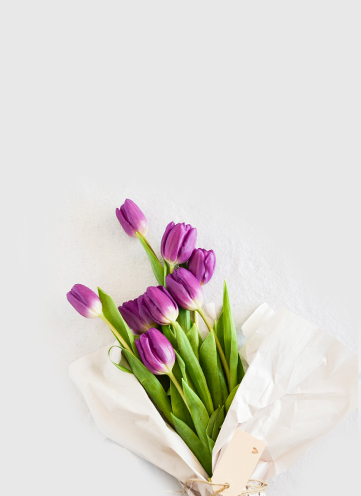
Cut Flower Care: Tips for Longevity and Fragrance
Posted on 06/06/2025
Cut Flower Care: Tips for Longevity and Fragrance
Cut flowers can bring beauty, color, and delightful scents into any home. Whether you've received a bouquet as a gift, picked fresh flowers from your garden, or bought blooms from a local florist, proper cut flower care is essential to prolong their life and preserve their captivating fragrance. In this comprehensive guide, we'll explore effective methods for extending the freshness and aroma of your floral arrangements. Read on for expert tips to enjoy your cut flowers longer!
Why Proper Cut Flower Care Matters
Flowers begin to fade the moment they're separated from their plant. Without roots, they can no longer draw water and nutrients from the soil. Good care routines serve to rehydrate, nourish, and protect cut flowers, keeping their vibrance and scent alive for as long as possible.
- Enhances longevity: Well-maintained blooms can last much longer than neglected ones.
- Preserves fragrance: Careful handling prevents premature loss of scent.
- Reduces bacterial growth: Clean water and tools keep flowers healthier.
- Maximizes beauty: Properly cared-for flower arrangements remain visually stunning.
General Principles of Cut Flower Maintenance
Every flower type has unique needs, but the following practices are universal for extending the life and aroma of cut flowers. Incorporate these foundational tips into your flower care routine:
- Start with Fresh Blooms: Whether buying or cutting your own, select flowers with firm petals and unopened buds. Avoid any with wilting leaves or brown edges.
- Use Clean Vases: Dirty containers harbor bacteria that can clog flower stems and shorten vase life.
- Change Water Regularly: Refreshing water daily or every other day prevents stagnant odors and decay.
- Trim Stems: Cut stems at a 45-degree angle with clean scissors or a knife. This opens up the vascular system to absorb more water.
- Remove Foliage Below the Waterline: Leaves submerged in water promote bacterial growth and unpleasant smells.
How to Prepare Flowers for Maximum Longevity
Step 1: Conditioning Your Flowers
Conditioning involves giving your cut flowers an optimal environment to recover from the stress of being cut. Here's how:
- Re-cut stems immediately after bringing flowers indoors. For woody stems like roses, cut under running water to prevent air bubbles from blocking water uptake.
- Remove extra buds and leaves. This helps direct energy to the main blooms.
- Leave flowers in a cool, dark place for several hours. This encourages maximum hydration.
Step 2: Choosing the Right Vase and Water
- Material matters: Glass and ceramic vases are easiest to clean and less likely to harbor bacteria compared to metal.
- Water type: Use lukewarm water for most flowers, but cold water for spring bulbs (like tulips and daffodils).
Step 3: Flower Food and Additives
The contents of a traditional flower food packet usually include sugar, acid, and a biocide to nourish blooms and limit bacteria. If you don't have flower food, try these DIY mixtures:
- 1 teaspoon sugar (feeds the flower)
- 2 teaspoons lemon juice or vinegar (acidifies water)
- A drop of bleach (reduces bacteria)
_*Do not use too much bleach, as it can damage flowers.*_
Tips for Extending the Life of Cut Flowers
Location, Temperature, and Sunlight
- Keep away from direct sunlight and heat sources. Too much warmth can speed up wilting and evaporation.
- Don't place arrangements near fresh fruit. Ripening fruit emits ethylene gas, which can hasten floral decay.
- Keep flowers in a cool room overnight. Moving arrangements to a cooler location after dark can significantly extend vase life.
Daily Maintenance
- Remove spent blooms and yellowing leaves as soon as you see them.
- Top up water regularly. Never let the vase run dry.
- Trim stems every 2-3 days to keep them open for water uptake.
Special Tips for Fragrance Preservation
Some flowers are celebrated for their unique fragrances--think roses, lilies, gardenias, and peonies. Keeping their scent alive is as important as preserving their looks.
- Change water frequently. Old water can cause bacterial growth that neutralizes scent.
- Avoid overcrowding. Too many stems can restrict airflow, causing musty smells.
- Use filtered water if your tap water is heavily chlorinated, as chemicals can suppress fragrance.
- Do not refrigerate fragrant flowers like gardenias or lilies. Chilling them may dull their natural perfume.
Boosting Fragrance Intensity
- Group scented blooms together. Their fragrances can create a more concentrated aroma in your living space.
- Add a few drops of floral essential oil to the water for a subtle fragrance enhancement. Take care not to overwhelm the flowers' own scent.
Care Instructions for Popular Cut Flowers
Roses
- Recut stems underwater: Prevents air from entering stem and blocking water absorption.
- Remove thorns and foliage below waterline.
- Use floral preservative for best results.
Lilies
- Remove pollen stamens: This prevents staining and extends bloom life.
- Handle gently: Lilies bruise easily.
Tulips
- Use cold water: Helps keep stems upright.
- Avoid too much direct heat or sunlight.
Daffodils
- Keep separate from other flowers for the first 24 hours: Their sap can shorten the vase life of other species.
- Rinse stems after 24 hours, then combine with other flowers if desired.
Peonies
- Recut stems every few days: These lush blooms drink a lot of water.
- Change water frequently: Peonies will last longer with clean water.
Common Cut Flower Care Mistakes to Avoid
- Neglecting to trim stems regularly. Hardened stem ends can prevent water uptake, leading to faster dehydration.
- Failing to remove submerged foliage. This encourages mold and bacteria.
- Forgetting to clean the vase before use. Old residue can contaminate fresh water.
- Using hot water. With rare exceptions, this can damage delicate petals.
- Placing arrangements near drafts or air vents. Rapid changes in temperature cause stress to flowers.
Natural Ways to Increase Fragrance and Prolong Freshness
If your cut flowers have lost some of their natural aroma or luster, there are a few natural tricks to enhance both fragrance and longevity:
- Crushed aspirin: Add a crushed, uncoated aspirin to the vase water to discourage bacteria.
- Clear soda: The sugar in a splash of 7-Up or Sprite can feed flowers and help scent linger.
- Apple cider vinegar and sugar: 1 tablespoon each, mixed in water, can boost both scent and freshness.
Always ensure any additives are fully dissolved before placing flowers in the vase.
Advanced Flower Care Techniques for Enthusiasts
- Split woody stems: For branches or thick-stemmed flowers, gently split the base an inch or two to expose more surface area for water uptake.
- Submerge wilting blooms in cool water: Some flowers revive when submerged in a sink or tub for 30-60 minutes.
- Spritzing petals: Misting with filtered water can rejuvenate delicate flowers, but avoid over-wetting to prevent fungal issues.
Frequently Asked Questions About Cut Flower Care
How often should I change the water in my vase?
Change the water every day if possible, especially for fragrant cut flowers. At a minimum, every other day is recommended to prevent bacterial growth.
Can I use tap water for my flowers?
Most tap water is safe, but highly chlorinated or hard water may affect flower longevity and scent. Use filtered or distilled water if you notice your flowers drooping quickly.
Is it necessary to use flower food?
While not absolutely necessary, commercial or DIY flower food provides nutrients and helps fight bacteria, significantly extending vase life.
Do all flowers benefit from refrigeration?
No. Some flowers, especially tropical or fragrant varieties, can be damaged by cold temperatures. When in doubt, store at room temperature or just slightly cooler than the typical home environment.
How can I prevent pollen stains from lilies or other flowers?
Carefully snip or pinch off pollen-heavy stamens as soon as flowers open, and avoid touching petals after handling pollen.
Conclusion: Enjoying Your Fresh-Cut Flowers Longer
Proper cut flower care is both an art and a science. By following the best practices outlined above--from vase hygiene and fresh water to thoughtful placement and timely maintenance--you can extend the beauty, vibrancy, and captivating fragrance of your favorite blooms. Whether you're decorating for a special occasion or simply bringing a bit of nature indoors, these tips will help you make the most of every bouquet.
With a little know-how and diligent care, your cut flowers will offer longer-lasting charm and beautiful scents to uplift your home day after day.