Peonies: A Floral Emblem of Beauty and Elegance
Posted on 29/05/2025
Peonies: A Floral Emblem of Beauty and Elegance
Peonies, with their lush blossoms and enchanting fragrance, have been celebrated for centuries as one of the most beautiful and elegant flowers in gardens and bouquets worldwide. These timeless perennials symbolize romance, prosperity, and good fortune, making them a favorite among gardeners, florists, and flower enthusiasts alike. In this comprehensive guide, we'll dive deep into the exquisite world of peonies--exploring their history, varieties, cultural significance, care tips, and how they've become a cherished floral emblem of beauty and elegance.

The Enduring Allure of Peonies
Known for their opulent, ruffled blooms and intoxicating aroma, peonies (scientifically known as Paeonia) grace gardens and tables across the globe. They have captivated hearts with their delicate layers and vibrant shades, ranging from pristine whites and soft pinks to rich reds and even striking yellows. Their unmistakable appearance and adaptability contribute to their enduring popularity.
- Visually stunning: Large, lush blossoms create breathtaking displays.
- Long-lived perennials: When well cared for, peony plants can thrive for decades.
- Versatile usage: Perfect for gardens, floral arrangements, and special occasions.
- Low maintenance: Once established, peonies require minimal attention.
The Symbolic Meaning of Peonies
Beyond their physical beauty, peonies hold deep cultural and symbolic meanings in various societies. They stand as icons of:
- Romance and happy marriage--the peony is considered the "queen of flowers" in Chinese culture and is closely associated with love stories, prosperity, and a blessed union.
- Honor and wealth--in many Asian traditions, peonies symbolize nobility, honor, and wealth, often depicted in traditional artwork and clothing.
- Good fortune and prosperity--across the world, peonies are viewed as harbingers of good luck and happy beginnings, making them a popular choice for weddings and new home celebrations.
Origins and History of Peonies
The story of peonies begins over 2,000 years ago in Asia, where they first graced the imperial gardens of China. The beauty and exquisite nature of peony flowers soon captured the imagination of people around the world.
Ancient Roots and Eastern Elegance
Originating in China, peonies were cultivated both as ornamental flowers and for their medicinal qualities. They became imperial treasures, symbolizing power and grace. By the Tang Dynasty (618-907 AD), peonies were highly prized and woven into the fabric of Chinese art and poetry. Over time, their allure crossed borders and peonies took root in Japan, where they were equally revered and celebrated in paintings, textiles, and festivals.
Peonies in the Western World
It wasn't until the 18th century that peonies found their way into European gardens, quickly gaining popularity due to their hardiness and magnificent blossoms. Today, peonies are beloved worldwide, enchanting gardeners from North America to Oceania.
Popular Varieties of Peonies
There are three primary types of peonies, each offering distinct characteristics and visual appeal:
- Herbaceous Peonies: These traditional garden peonies die back in winter and regrow each spring. They boast spectacular blooms and are the most commonly grown type.
- Tree Peonies: Featuring woody stems, these peonies provide larger and often more fragrant blooms. They remain visible above ground year-round and may reach heights of up to six feet.
- Intersectional or Itoh Peonies: A hybrid cross between herbaceous and tree peonies, Itoh peonies offer the best of both worlds--sturdy stems, long bloom periods, and vibrant colors.
Notable Peony Cultivars
Within these types, countless cultivars have been bred for their unique color, form, and fragrance. Some of the most beloved include:
- Sara Bernhardt: A classic pink, double-flowered peony known for its sweet scent.
- Festiva Maxima: Elegant white blooms with flecks of crimson at the center.
- Karl Rosenfield: Eye-catching magenta-red flowers with bold presence.
- Cora Louise: Striking semi-double lavender and white Itoh peony with a golden center.
Planting Peonies: Tips for Success
Growing peonies may seem daunting, but with the right preparation, these resilient perennials can provide generations of floral splendor. Follow these essential steps for planting peonies:
Choosing the Right Location
- Peonies thrive in full sun, requiring at least 6-8 hours of direct sunlight per day.
- Well-drained soil is critical--avoid areas with standing water, which can lead to root rot.
- Select a site with good air circulation to minimize disease and keep blooms healthy.
Soil Preparation and Planting
- Plant peony roots in the fall, ideally in September or October.
- Amend the soil with compost or well-rotted manure for nutritious, loose growing conditions.
- When planting, set the peony root so that the eyes (buds) are no more than 1-2 inches below the surface.
- Water thoroughly after planting to settle the soil around the roots.
Peony Care and Maintenance
Once established, peonies are delightfully easy to care for. Their low-maintenance nature is one reason for their enduring popularity in gardens and landscapes.
Watering and Feeding
- Water deeply during dry periods, but avoid waterlogged soil.
- Avoid frequent fertilization; an annual application of compost or a balanced fertilizer in early spring is sufficient.
Supporting Lush Blooms
- Some peony varieties have very large flowers that may benefit from staking or using plant supports to prevent drooping.
Pruning and Deadheading
- Remove faded blooms to promote plant health and redirect energy to root development.
- In autumn, cut back herbaceous peony stems to ground level to prevent diseases from overwintering.
- Tree peonies should only be pruned to remove dead wood--do not cut them down in autumn.
Common Peony Problems and Solutions
While peonies are largely pest and disease resistant, a few issues occasionally arise:
- Botrytis blight: A gray mold that appears in wet conditions. Improve air circulation and remove affected parts promptly.
- Powdery mildew: Can be managed by avoiding overhead watering and ensuring good airflow.
- Ants on buds: Ants are attracted to peony nectar but do not harm the blooms. They help by protecting buds from other pests.
The Role of Peonies in Art, Culture, and Floristry
For centuries, peony flowers have inspired artists, poets, and lovers of beauty. Their bold presence and romantic symbolism have earned them a central place in cultural celebrations, visual arts, literature, and weddings.
Peonies in Weddings and Events
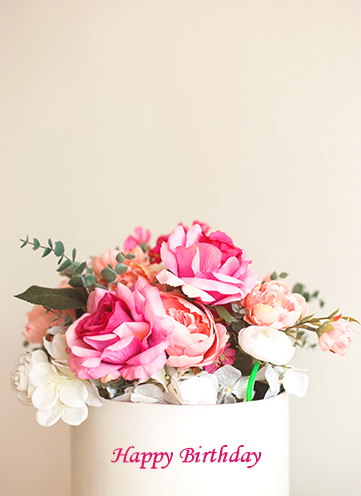
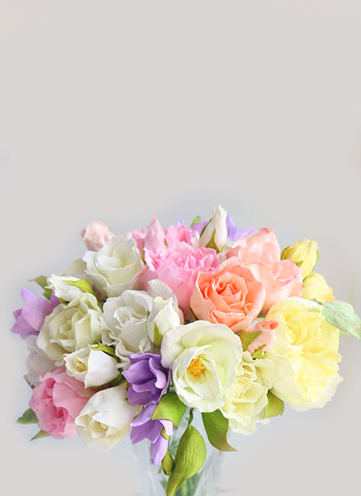
- Bride's favorite: Peonies are highly coveted in wedding bouquets for their fullness and delicate hues.
- They pair beautifully with roses, ranunculus, and greenery in centerpieces and floral arrangements.
- Peonies symbolize a happy, prosperous union--making them meaningful and memorable floral choices.
Peonies in Art and Literature
Throughout history, peonies have adorned Chinese paintings, Japanese woodblocks, and Western still lifes.
- Chinese culture: The peony, known as the "King of Flowers," is a motif symbolizing royalty and virtue.
- Victorian England: Peony flowers represent bashfulness and compassion in the language of flowers.
Peonies in Modern Gardening and Landscape Design
Today, peonies are prized for their versatility and adaptability in modern gardens. They feature in:
- Border plantings, adding vibrant color and structure.
- Cottage gardens, where their old-world charm fits naturally.
- Cut flower gardens, supplying stunning, long-lasting blooms for vases.
- Public gardens and botanical displays around the world.
Companion Planting with Peonies
Enhance your peony beds by pairing them with compatible plants. Some classic companions include:
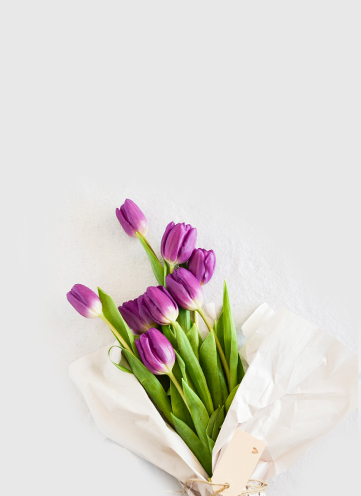
- Early-blooming spring bulbs (tulips, daffodils) add early season interest.
- Alliums, irises, and foxgloves provide textural contrast.
- Lamb's ear and hostas offer beautiful foliage at the peonies' base.

Frequently Asked Questions About Peonies
How long do peony plants live?
With proper care, peonies can live and bloom in the same spot for 50 years or more. Some are known to flourish for over a century!
Can peonies grow in pots?
While they prefer garden beds, peonies can be grown in large, well-drained containers. Itoh peonies are best suited for growing in pots due to their compact habit.
Why are my peonies not blooming?
Common reasons:
- Planting too deep--peony eyes should be only 1-2 inches below the soil surface.
- Insufficient sunlight--ensure at least 6 hours of sun.
- Young plants--some may take 2-3 years to produce an abundance of blooms.
When do peonies bloom?
The glorious peony season typically spans from late spring to early summer (May to June), varying by climate, variety, and location.
Conclusion: Peonies as Icons of Timeless Elegance
In every petal, color, and fragrance, peonies embody the essence of beauty and grace. Whether gracing elegant bouquets, lush gardens, or monumental artworks, their lush blooms and meaningful symbolism continue to capture admiration across cultures and generations. Whether you are a seasoned gardener or a new flower lover, incorporating peony flowers into your landscape guarantees decades of splendor--and a personal connection to one of nature's most magnificent floral emblems of beauty and elegance.
If you wish to cultivate an everlasting legacy of floral beauty, there is no better choice than peonies--the true emblems of elegance and natural charm.
Latest Posts
Unique Flower Arrangements Inspired by [POSTCODE or BOROUGH]
Navigating Flower Market Hours & Locations in [AREA]
Elevate Your Orchid Care with Expert Tips
Find Out Which Bloom is Your Perfect Match
Unlocking the Mysteries of Your Birth Flower and What It Tells About Your Nature