Uncovering the Marvels of Tulips: 7 Facts Beyond Your Imagination
Posted on 26/06/2025
Uncovering the Marvels of Tulips: 7 Facts Beyond Your Imagination
Tulips, with their vibrant colors and elegant shapes, are among the world's most beloved flowers. Beyond being a springtime staple and a symbol of beauty, tulips harbor fascinating secrets, historical significance, and scientific wonders that may surprise even the most ardent flower lovers. In this article, we delve into seven incredible tulip facts that go far beyond what meets the eye, revealing why these blossoms have captivated hearts and minds for centuries.
1. Tulips: A Journey Across Continents
When you hear the word tulip, you might instantly think of the picturesque fields of the Netherlands. However, the captivating story of tulips begins far from Dutch windmills and canals.
Origins in the Ottoman Empire
- Native roots: Although popularly associated with the Dutch, tulips originated in Central Asia, particularly in regions that now comprise modern-day Kazakhstan, Iran, and the Himalayas.
- Ornamental history: Tulips were first cultivated by the Ottomans in the 10th century. The flower's name comes from the Persian word delband, meaning "turban," because tulip flowers resembled the headgear worn at the time.
2. The Dutch Tulip Mania: The World's First Economic Bubble
Few realize that tulips were at the heart of one of the world's earliest financial manias. The tulip craze of the 17th century remains a cautionary tale studied by economists to this day.
Tulip Fever's Impact on the Dutch Economy
- During the 1630s, rare tulip bulbs became so sought after that their prices soared to astronomical heights--one bulb could cost more than a furnished house in Amsterdam!
- The market eventually collapsed in 1637, leaving fortunes lost and sparking discussions on economic bubbles and market psychology that continue to influence financial theory.
The term "Tulip Mania" is still synonymous with speculative bubbles and the unpredictable nature of markets.
3. A Spectrum of Tulip Colors--Except True Blue
If you roam vast tulip flower fields, you'll see an array of colors--deep reds, vibrant yellows, pristine whites, and even multicolored streaks. But there's one shade missing...
The Mystery of the Elusive Blue Tulip
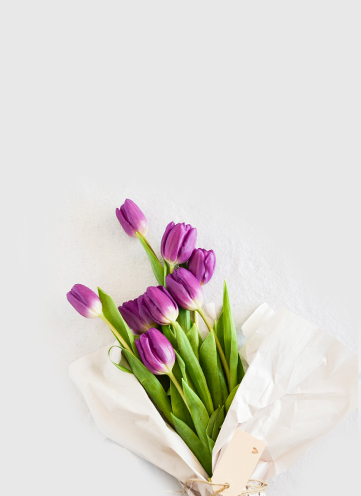
- Tulips bloom in nearly every color except true blue. Breeders have managed to produce purples so deep they look almost blue, but a genetically pure blue tulip remains unattainable so far.
- Why is this? Tulips lack the specific pigment, delphinidin, required for blue coloration--a true marvel of both nature and genetics.
Despite decades of breeding and genetic research, the quest continues, making the blue tulip one of the flower world's greatest ambitions.
4. Tulips' Surprising Edibility
Beyond being visually stunning, tulip petals also hold an unexpected place at the table--sometimes quite literally.
Historical Use in Cuisine
- World War II ingenuity: During the infamous Dutch famine of World War II, citizens, faced with acute food shortages, ate tulip bulbs to stave off hunger. While not the most appetizing food, desperate times led to creative (and risky) culinary solutions.
- Modern day culinary uses: Today, tulip petals are occasionally used to decorate gourmet dishes or salads, but caution is advised as not all varieties are safe to eat. Only organically grown, untreated tulips in select colors are edible, and some people may be allergic.
Fun fact: Tulip petals are sometimes sweet and have a mild, pea-like flavor, but caution is crucial!
5. The Science of Tulip Flowering: Photoperiod and 'Feeling the Cold'
The dazzling tulip bloom you admire in spring is the result of a biological process that's more complex than you might expect, involving unique adaptations to their native environments.
How Tulips Time Their Blossoms Perfectly
- Tulips are photoperiodic, meaning their flowering is triggered by changes in daylight hours.
- Tulip bulbs require a period of cold dormancy--known as vernalization. This simulates winter, signaling the bulb to begin growing roots and shoots when the warmth of spring returns.
Without this chilling period, tulips may fail to bloom, which is why gardeners often refrigerate bulbs before planting in warmer climates.
6. Tulips Have Their Own Language--Fascinating Symbolism Around the World
Throughout history, tulip flowers have symbolized more than just beauty. Across various cultures, tulips carry messages of love, rebirth, and even political power.
The Language of Tulips: Love, Royalty, and Beyond
- Red tulips symbolize true love, akin to the meaning of red roses.
- Yellow tulips once represented hopeless love, but more recently, they signify cheerful thoughts and sunshine.
- In the Ottoman Empire, tulips were a sign of prosperity, indulgence, and paradise--so much so that the period of peace and artful living in the 18th century is called the "Tulip Era."
Tulips have also featured in modern political movements and art, showing how the language of flowers can be as powerful as words.
7. Tulips Inspire Art, Fashion, and Global Trade
The global fascination with tulips has not just remained in gardens--it's flourished in art, design, and commerce for centuries.
Cultural and Artistic Impact
- Paintings from the Dutch Golden Age, such as those by Rembrandt and Rachel Ruysch, are filled with delicate renditions of vivid tulips, capturing both their beauty and their temporary nature.
- Tulip motifs grace tiles, textiles, and architecture across Europe, the Middle East, and Asia.
- In the world of fashion and luxury design, tulip-inspired patterns and silhouettes regularly make appearances on catwalks and in haute couture.
Tulips and the Global Economy Today
- The Netherlands remains the largest producer and exporter of tulip bulbs, supplying around 3 billion bulbs annually globally.
- Each spring, the Keukenhof Gardens in Holland put on the world's largest tulip flower display, attracting tourists and botanists from all over the globe.
- International Tulip Festivals in places like Canada, Turkey, and the United States celebrate the beauty and diversity of this remarkable flower while boosting tourism and cultural exchange.
How to Grow Marvelous Tulips at Home
Feeling inspired to add a touch of tulip magic to your own garden? Here are some expert tips to cultivate spectacular tulip blooms:
- Choose quality bulbs: Opt for healthy, firm bulbs from a reputable nursery. The bigger the bulb, the more spectacular the bloom.
- Plant in autumn: Aim for 6-8 weeks before the first frost, giving bulbs time to root before winter's chill.
- Use well-drained soil: Tulips dislike soggy conditions. Elevate beds or add sand if necessary for drainage.
- Provide the cold: If you live in a mild region, pre-chill bulbs in the refrigerator for 12-14 weeks before planting.
- Sunshine is key: Plant bulbs in an area that receives at least six hours of sunlight daily for the healthiest flowers.
With the right care, your garden can host a breathtaking tulip display each spring!
Frequently Asked Questions About Tulips
- Are tulips perennial or annual?
While tulips are technically perennial, some varieties tend to produce the best show in their first year and may diminish in subsequent seasons. Replanting new bulbs each autumn guarantees vibrant results. - Can you leave tulip bulbs in the ground year-round?
In cooler climates, many gardeners leave bulbs in the ground. However, in areas with wet summers or hot winters, lifting and storing bulbs is recommended to avoid rot and heat damage. - Are tulips safe for pets?
Tulip bulbs contain compounds that are toxic to cats, dogs, and horses if ingested. Always keep bulbs out of reach of curious pets!
Conclusion: The Everlasting Allure of Tulips
Tulips are more than just exquisite flowers--they are time travelers from ancient empires, economic game-changers, culinary curiosities, living symbols, and beloved muses for artists and gardeners alike. Whether shading ancient Ottoman gardens or the bright landscapes of modern Holland, tulips continue to fascinate us with their history, diversity, and enduring beauty.
From rare colors to global influence, these seven incredible facts prove that the marvels of tulips are indeed beyond imagination.
Next time you admire a tulip, remember: you're holding a piece of history, culture, and natural wonder in your hands--a true marvel of the botanical world.
```